The home of architecture and design in the Asia-Pacific
Get the latest design news direct to your inbox!

Get the latest design news direct to your inbox!
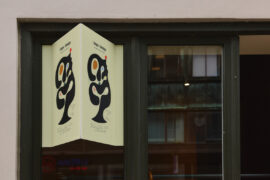
In an attempt to save customers from the pain and dread of jeans-shopping, the design of THAT store aims to re-invent general perceptions of denim.
July 13th, 2009
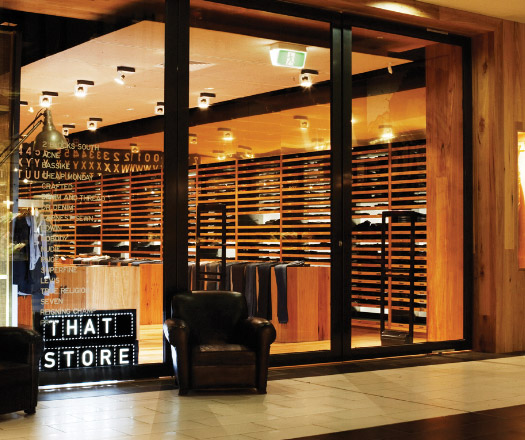
Extending retail space beyond merely selling stock, THAT stores’ unusual designs put a new spin on the denim brands they house.
All four THAT stores, across Melbourne and Sydney, were designed by Peter Degotardi who hopes to alter what he beleives to be a generally negative cultural response to shopping for jeans.
He explains, “Our aim is to change this culture by specialising and making buying denim easy… We create surroundings that are intimate and personal to make the experience pleasurable.”
While the design of THAT store varies from location to location to reflect the nature of the area, the stores aim to be ‘consistently quirky’ in the way they provide the shopping experience.
They range from a woolshed-inspired store – complete with rusty padlocks, homely worn leather couches and deer antlers in the fitting areas – to an evocation of grandma’s living room with a space that features thread bare rugs and vintage lampshades.
In certain THAT stores, old-fashioned pharmacy shelves are reinvented and displayed as jean storage spaces, thereby allowing for easy navigation and emphasizing the brand’s distinctive personality.
Despite Degotardi’s determination to vary his stores, he honours one underlying factor which links the entire chain, “Being a denim only store [they] need to reflect the solidity of denim and the working class nature whilst being rich in materials.”
THAT store can be found in Melbourne’s Doncaster Shopping Centre and Chapel Street and Sydney’s Oxford St and Chatswood Shopping Centre. A new THAT store is expected to open in Bondi at the end of July.


INDESIGN is on instagram
Follow @indesignlive
A searchable and comprehensive guide for specifying leading products and their suppliers
Keep up to date with the latest and greatest from our industry BFF's!
The 2009 Corian® Design Award for Edition 2 commercial category has been awarded to Amy Lanham and Nettleton Tribe Architects for their design of the Santos House refurbishment in Brisbane, Queensland. The award organisers said: “The design objective for this project was to enlighten the space through the considered use of materials and finishes. A […]
The internet never sleeps! Here's the stuff you might have missed