The home of architecture and design in the Asia-Pacific
Get the latest design news direct to your inbox!

Get the latest design news direct to your inbox!
An inspirational print process.
February 9th, 2010
In the early 70’s, working closely with the design movements of the time, ABET LAMINATI developed its screen-printing studio.
With this step, the shackles of the mundane were removed and the individualized surface was born.
The natural progression was into the digital age – in 1998 Ettore Sottsass was curator for ’Monitor Laminates’, an exhibition that brought together international designers wanting to push the boundaries of materials to create surfaces that surpassed standard imitations and gave their own signature to their projects.
ABET LAMINATI is known for its commitment to continuous technological research and uninterrupted collaboration with the world of design.
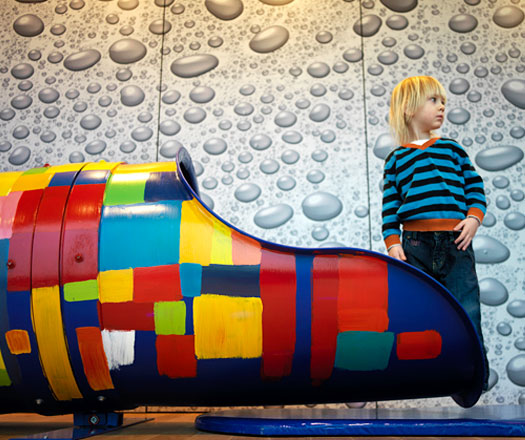
Digitally printed laminate represents a direct and immediate link between the designer’s computer and the production of the laminate surface.
Digitally printed High Pressure Laminates offer architects and designers from all over the world a simple and reliable vehicle of artistic expression.
The DigitalPrint service is offered across the full ABET LAMINATI product spectrum: from conventional interior HPL to compact grade through to translucent Diafos, Parqcolor floating floors and MEG (Material Exterior Grade) – no other manufacturer offers such a variety.
The simplicity of the DigitalPrint process lets you create your own individually designed environments in all facets of interior and exterior architecture. ’¨’¨Work outside the standard range of décors, add your signature and your client’s unique personality limited only by your daring imagination, without concerns for minimum quantities.
ABET LAMINATI
abet.com.au

INDESIGN is on instagram
Follow @indesignlive
A searchable and comprehensive guide for specifying leading products and their suppliers
Keep up to date with the latest and greatest from our industry BFF's!
The internet never sleeps! Here's the stuff you might have missed